Published on 28 March 2024 · updated on 6 August 2026 · subject-matter review and revision by Mariana Kaesemann, COO, SCIIL AG
The ROI of digital Layered Process Audits can be quantified using the Adient case study. An article published in the trade journal QZ Qualität und Zuverlässigkeit shows where SCIIL eLPA measurably reduced manual effort in planning, execution, documentation, reporting and corrective action planning.
SCIIL eLPA is software for automated planning, mobile execution and central evaluation of Layered Process Audits. Today’s SCIIL eLPA — Layered Process Audit software for manufacturing continues the approach developed in the Adient project as a current software solution.
Results at a glance:
- 80% less effort for audit planning
- 90% less effort for audit reporting
- 60% less effort for audit documentation
- 20% less effort for audit execution
- 10% less effort for corrective action planning
- approximately €38,000 in savings according to the project-specific cost-benefit analysis
- payback within approximately six months according to the project-specific cost-benefit analysis
Starting point: high manual effort for Layered Process Audits
Layered Process Audits are short, regularly scheduled process audits conducted directly on the shop floor. Different management levels, or audit layers, check at defined intervals whether specified standards are being followed at workstations. The aim is to identify deviations early and continuously improve the stability of manufacturing processes.
At Adient, auditors had to be assigned to specific workstations according to a precisely defined schedule. One production line could include up to 90 workstations. Manual planning alone was therefore complex and time-consuming.
Paper-based questionnaires added further effort. The handwritten results had to be transferred to digital systems after each audit before they could be evaluated. Managers also had to check whether audits had been completed on time and which deviations or corrective actions remained open.
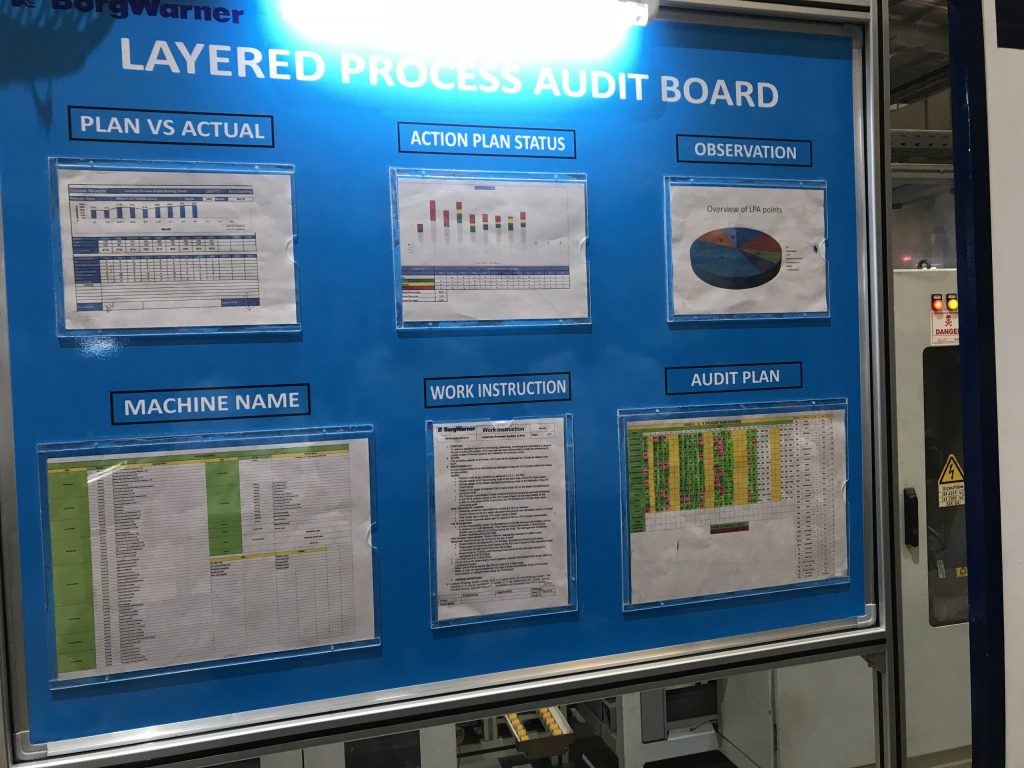
In an international manufacturing environment with plants in 33 countries, this created a high administrative workload, delayed information and substantial costs. Adient therefore decided to digitize the planning, execution, documentation and reporting of its Layered Process Audits from end to end.
How SCIIL eLPA digitized the audit process
SCIIL worked with Adient to develop a digital solution tailored to the company’s processes and workstations. It brought audit planning, mobile execution, deviation documentation, action tracking and evaluation together in one system.
Automated planning and mobile execution
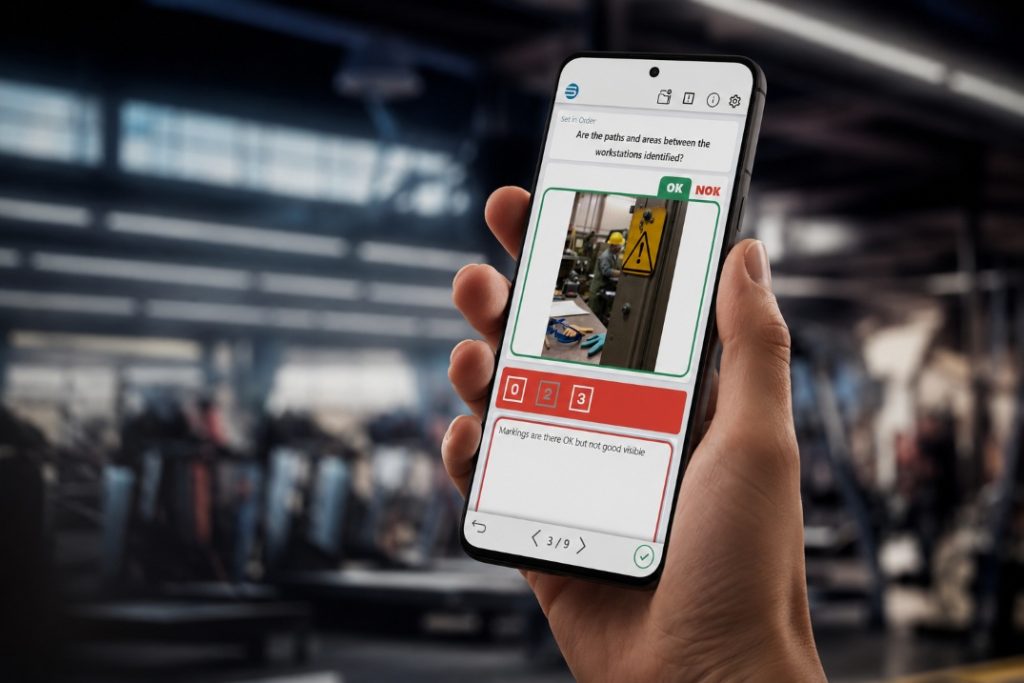
The eLPA solution automatically determined which station should be checked, when the audit should take place and which auditor should perform it. The auditor received the appointment together with the required information in Outlook.
Audits were then carried out via an app on a tablet or smartphone. The app guided the auditor step by step through the assigned checklist. This eliminated the subsequent transfer of handwritten questionnaires.
Reference images, photos, comments and corrective actions
For each workstation, the app displayed a reference image of the specified target condition. The auditor could compare the actual condition with this reference directly at the station.
Any deviations could be documented immediately with a photo and a comment. Required corrective actions were linked to the finding. This created a traceable connection between the audit question, the deviation and the corrective action.
The current features of SCIIL eLPA build on this end-to-end process. The product page provides details about audit planning, online and offline use, findings, corrective actions, dashboards and multi-plant deployment.
Central data and reporting for plants and management
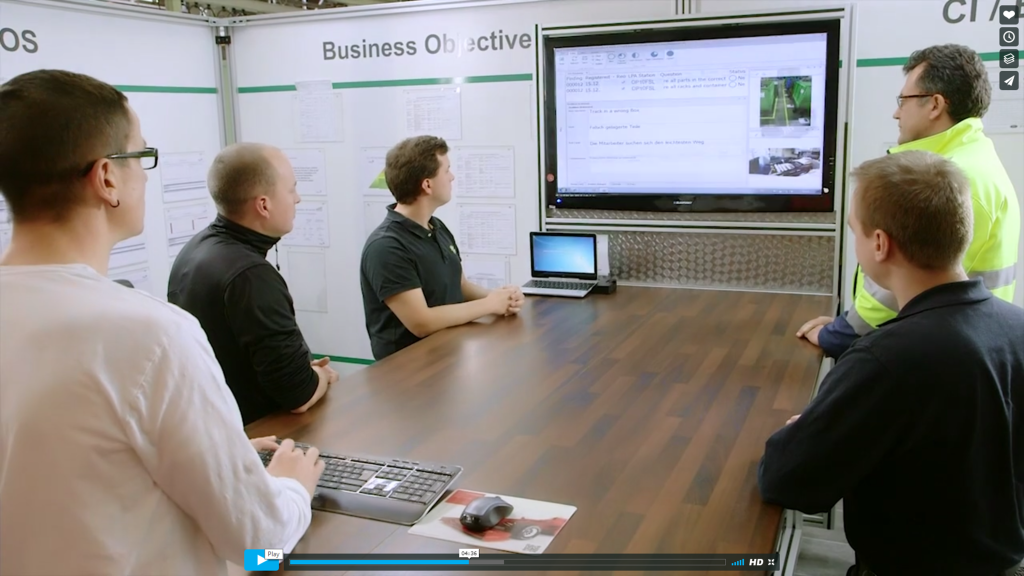
The recorded audit data was transferred to the central server and evaluated there. Dashboards displayed the current audit status, deviations and key performance indicators. Manufacturing managers gained a direct overview of the workstations.
For plant managers, it was particularly important that the process status no longer depended on manually prepared reports. Centrally available data made the status of audits visible beyond the immediate shop-floor environment.
ROI of digital Layered Process Audits: measurable results across five stages
After implementation, the improvements were not summarized as a single general claim of “time savings.” Instead, they were assigned to the individual stages of the process. This distinction is essential for a robust cost-benefit assessment.
Effort reduction by process stage
At Adient, the ROI of digital Layered Process Audits was demonstrated through measurable reductions in effort and the project-specific cost-benefit analysis.
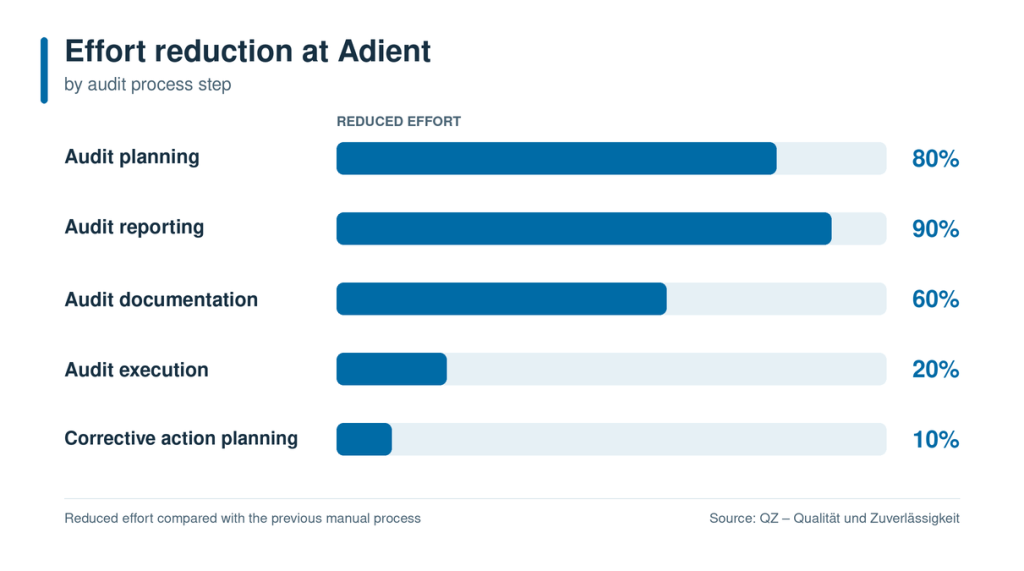
At Adient, the effort required for audit reporting fell by 90%, audit planning by 80%, audit documentation by 60%, audit execution by 20% and corrective action planning by 10%. Each percentage refers to the respective process stage, not to the audit process as a whole.
Savings and payback period
The project-specific cost-benefit analysis estimated savings at approximately €38,000. On that basis, the implementation paid for itself within approximately six months.
These financial figures must be distinguished from the project timeline stated in the QZ article. According to QZ, approximately six months also elapsed from the initial idea through development and selected pilot tests. Project duration and financial payback period are two separate metrics.
From pilot project to worldwide rollout
Once the requirements had been defined, the solution was developed and piloted at selected plants. The positive experience and measurable improvements led to the decision to roll it out worldwide.
A rollout plan defined when each location would receive the hardware and software and when key users would be trained. Implementation began in Europe and was subsequently extended to other locations.
The case study therefore demonstrates more than the technical digitization of an audit. It also shows how an LPA solution can progress from a pilot project to deployment across an international manufacturing organization.
Why this evidence matters to plant managers and quality managers
For plant managers, the financial benefit lies primarily in lower administrative effort and an up-to-date overview of audit status, deviations and open corrective actions. Decisions can be based on centrally available data without waiting for reports to be prepared retrospectively.
Quality managers benefit from consistent documentation, comparable key performance indicators and the traceable link between findings and corrective actions. Manufacturing managers gain a mobile solution that can be used directly at the workstation and reduces follow-up effort after the audit.
The Adient case is therefore not a general marketing claim. It provides concrete evidence of the process stages in which digital Layered Process Audits can reduce time and cost.
QZ trade journal article as independent evidence
The full article was published in QZ Qualität und Zuverlässigkeit, issue 01/2018, under the title:
“Digitale Prozessprüfung beschleunigt Audits — Wie der Aufwand für Layered Process Audits via App reduziert wird”
English translation: “Digital process checks accelerate audits — How an app reduces the effort required for Layered Process Audits.”
The article was written by Jürgen Wandelt. It describes Adient’s starting point, the development and implementation of the eLPA app, mobile audit execution, the rollout and the time savings achieved at the individual process stages.
Read the QZ article as a PDF (German)
Sources: The five process-specific percentages and the international rollout are documented in the QZ article. The figures of approximately €38,000 in savings and a payback period of approximately six months come from the project-specific cost-benefit analysis.
Original source: Jürgen Wandelt, “Digitale Prozessprüfung beschleunigt Audits – Wie der Aufwand für Layered Process Audits via App reduziert wird”, QZ Qualität und Zuverlässigkeit, issue 01/2018.
SCIIL case study: published on 28 March 2024; content reviewed and updated on 6 August 2026.
Explore SCIIL eLPA as the current software solution
This case study documents practical and financial evidence. The Adient case is therefore not a general marketing claim but a concrete demonstration of the ROI of digital Layered Process Audits. It shows the individual process stages in which time and costs were reduced.
The product page provides details of the current features, use cases and integration options.
Further guidance in German: If you are comparing different solutions, SCIIL’s SoftGuide article explains 10 criteria for selecting LPA software, from audit planning and a mobile app to cost-effectiveness, IT integration and scalability.
Would you like to find out how your Layered Process Audits can be planned digitally, conducted on mobile devices and evaluated centrally? Contact Sales@sciil.com.